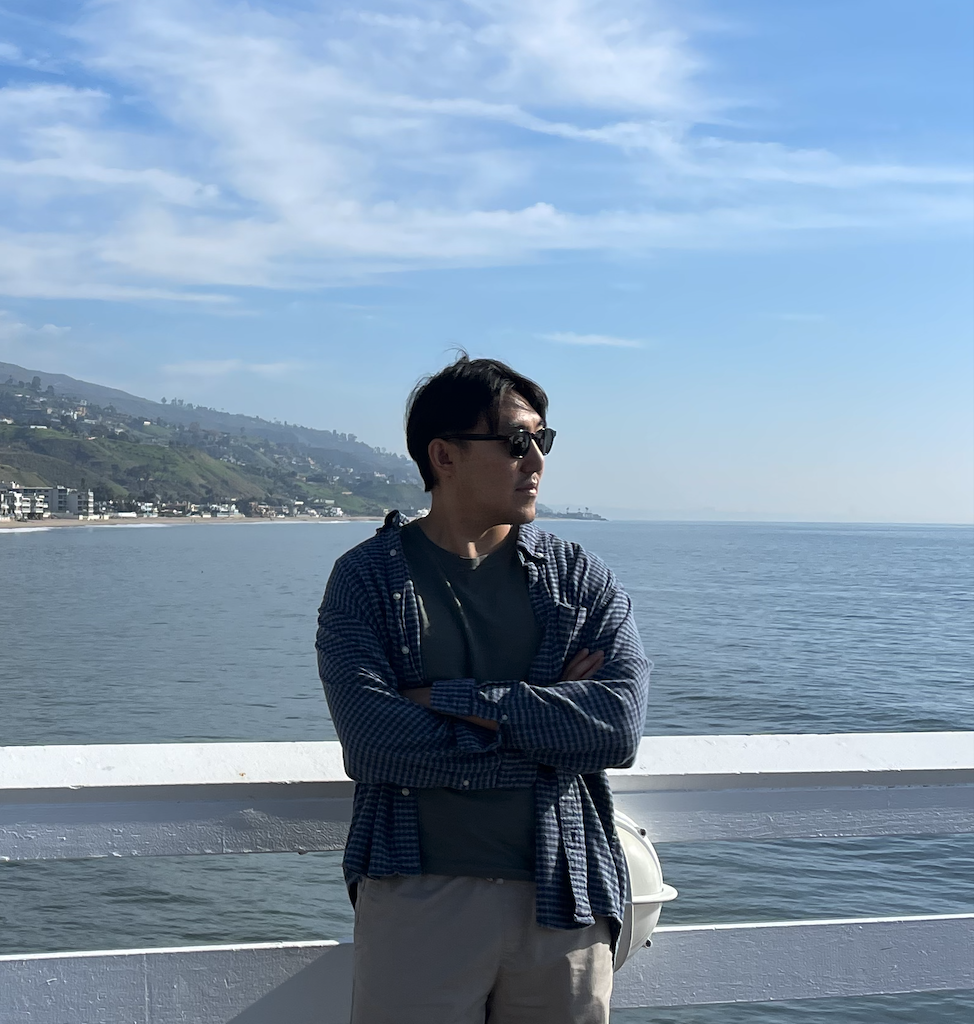
Hello, I'm Youngeun Kim.
I am an incoming Assistant Professor in the School of Electrical Engineering at Korea University. I am currently an Applied Scientist at Amazon, working on efficient multimodal LLM serving. Previously, I was at Meta Reality Labs, working on time-series neural networks for neuromotor-interface AR/VR applications. I received my Ph.D. in Electrical and Computer Engineering from Yale University (2024), M.S. from KAIST (2020), and B.S. from Sogang University (2018).
 Starting this fall, I will join the School of Electrical Engineering at Korea University as an Assistant Professor. If you are interested in working with me at the
Efficient Machine Intelligence Lab
(lab homepage), please apply via
this Google Form.
Starting this fall, I will join the School of Electrical Engineering at Korea University as an Assistant Professor. If you are interested in working with me at the
Efficient Machine Intelligence Lab
(lab homepage), please apply via
this Google Form.
News
- 2026
- Apr One paper is accepted to ICML 2026.
- Feb Two papers are accepted to CVPR 2026.
- 2025
- Dec One paper is accepted to NeurIPS 2025.
- July I joined Amazon AWS AI Labs as an Applied Scientist.
- June One paper is accepted to ICCV 2025.
- March One paper is accepted to CVPR 2025.
- 2024
- July Three papers are accepted to ECCV 2024.
- July One paper is accepted to MICRO 2024.
- May I joined Meta Reality Labs as a Machine Learning Research Scientist.
- May I successfully defended my thesis — Algorithmic Approaches for Empowering Spike-based Machine Intelligence.
- 2023
- Dec One paper is accepted to NeurIPS 2023.
- May I joined Amazon (AWS AI) as a summer intern.
- May One paper is accepted to Transactions on Machine Learning Research.
- March One paper is accepted to DAC 2023.
- Feb One paper is accepted to AAAI 2023.
Selected Publications
For a comprehensive list, please see my Google Scholar.
-
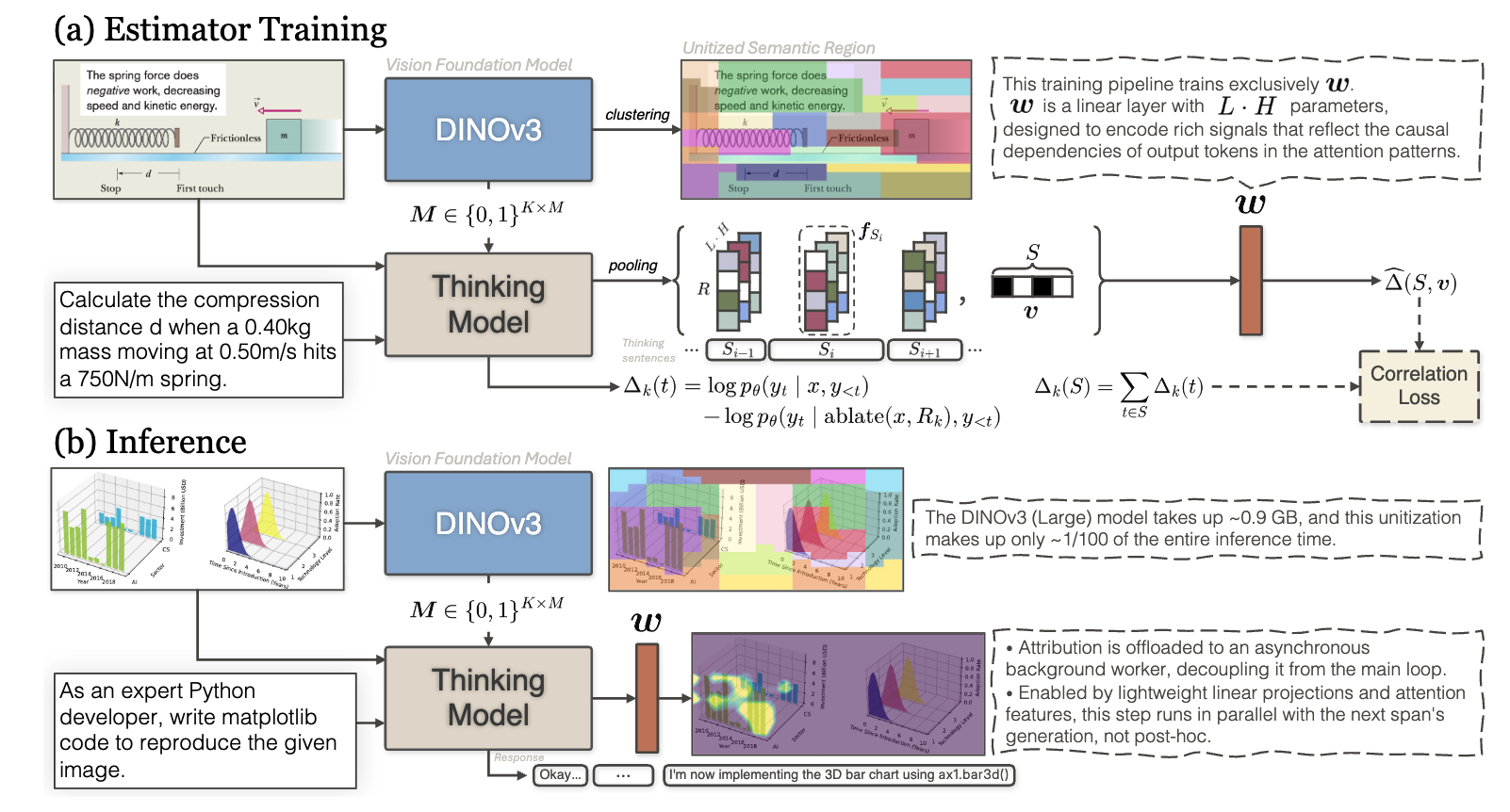 Fig. 1
Real-Time Visual Attribution Streaming in Thinking Model
Fig. 1
Real-Time Visual Attribution Streaming in Thinking Model -
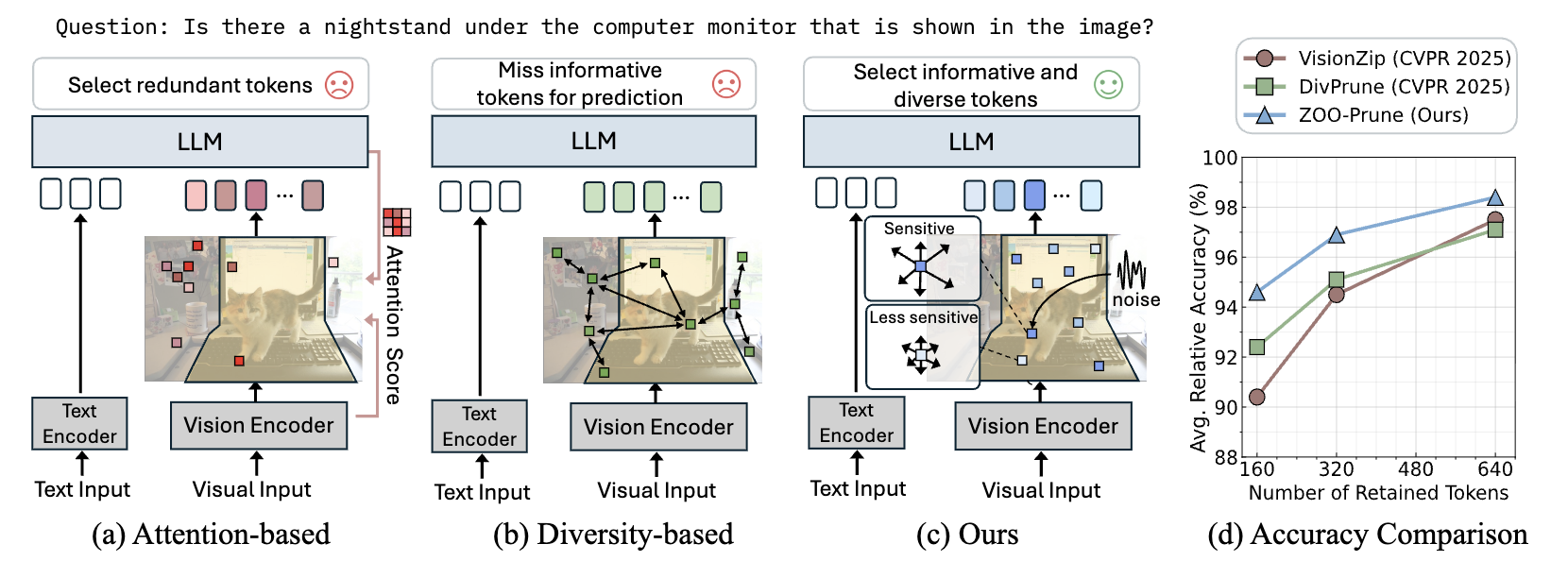 Fig. 1
ZOO-Prune: Training-Free Token Pruning via Zeroth-Order Gradient Estimation in Vision-Language Models
Fig. 1
ZOO-Prune: Training-Free Token Pruning via Zeroth-Order Gradient Estimation in Vision-Language Models -
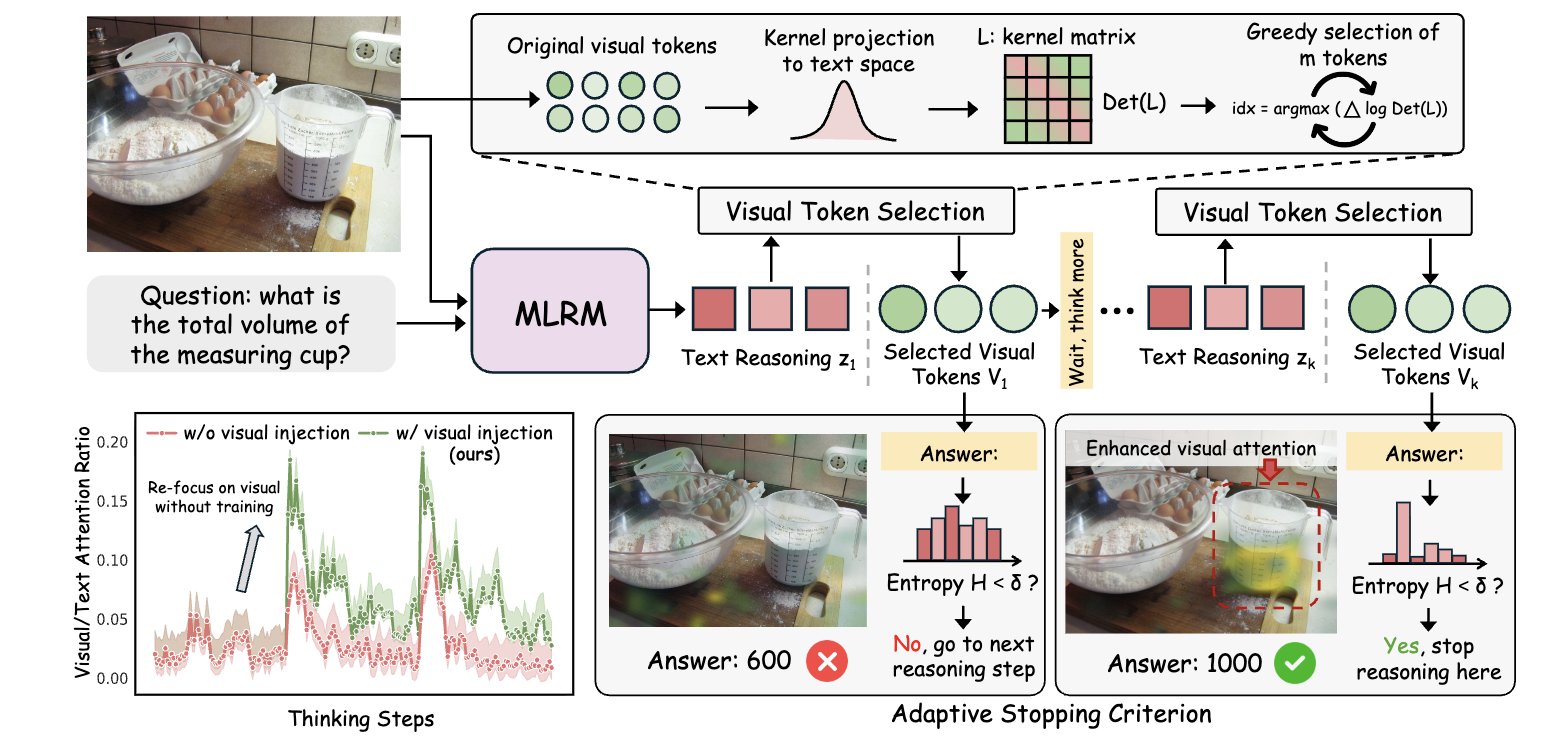 Fig. 1
VisRef: Visual Refocusing while Thinking Improves Test-Time Scaling in Multi-Modal Large Reasoning Models
Fig. 1
VisRef: Visual Refocusing while Thinking Improves Test-Time Scaling in Multi-Modal Large Reasoning Models
-
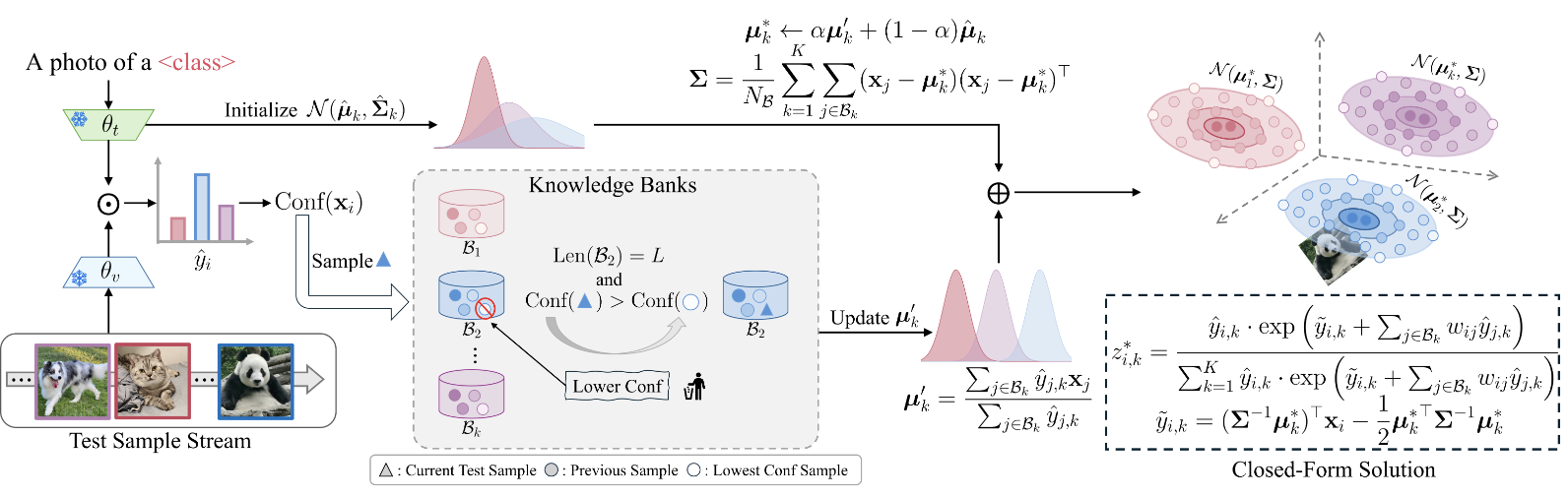 Fig. 1
Backpropagation-Free Test-Time Adaptation via Probabilistic Gaussian Alignment
Fig. 1
Backpropagation-Free Test-Time Adaptation via Probabilistic Gaussian Alignment -
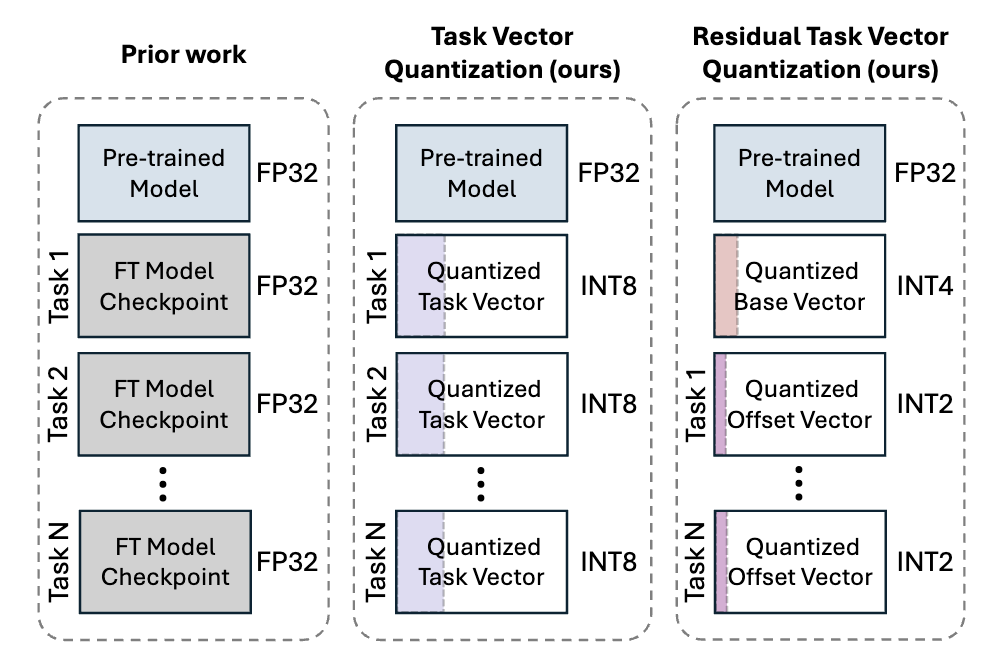 Fig. 1
Task vector quantization for memory-efficient model merging
Fig. 1
Task vector quantization for memory-efficient model merging -
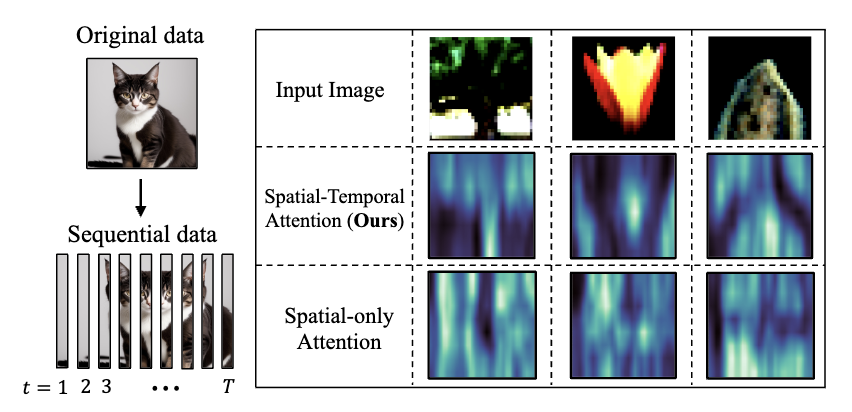 Fig. 1
Spiking transformer with spatial-temporal attention
Fig. 1
Spiking transformer with spatial-temporal attention
-
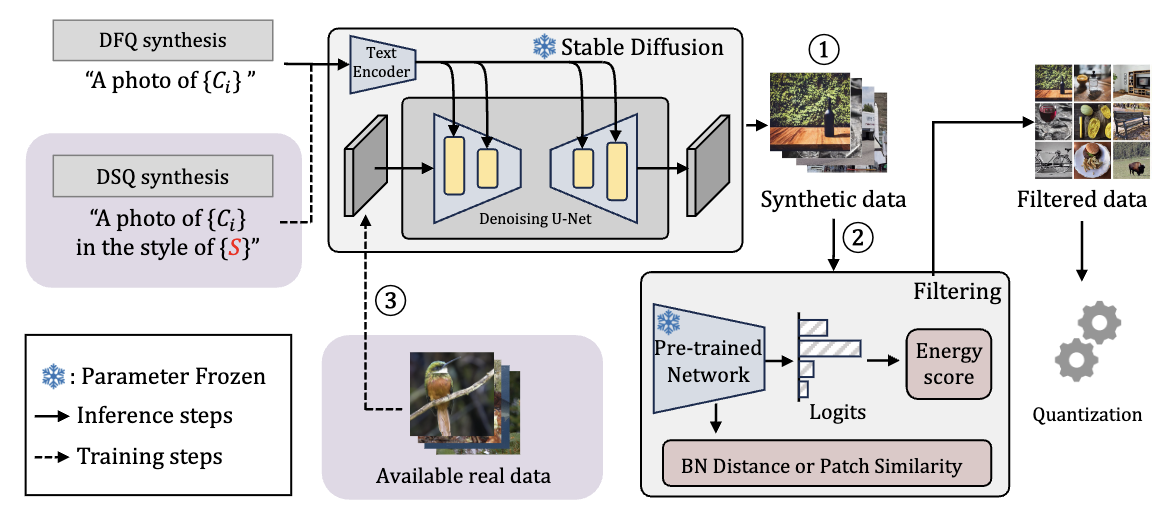 Fig. 1
GenQ: Quantization in Low Data Regimes with Generative Synthetic Data
Fig. 1
GenQ: Quantization in Low Data Regimes with Generative Synthetic Data -
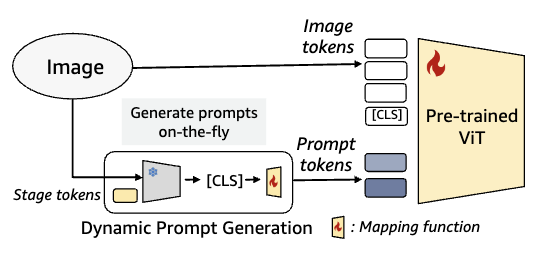 Fig. 1
Open-World Dynamic Prompt and Continual Visual Representation Learning
Fig. 1
Open-World Dynamic Prompt and Continual Visual Representation Learning -
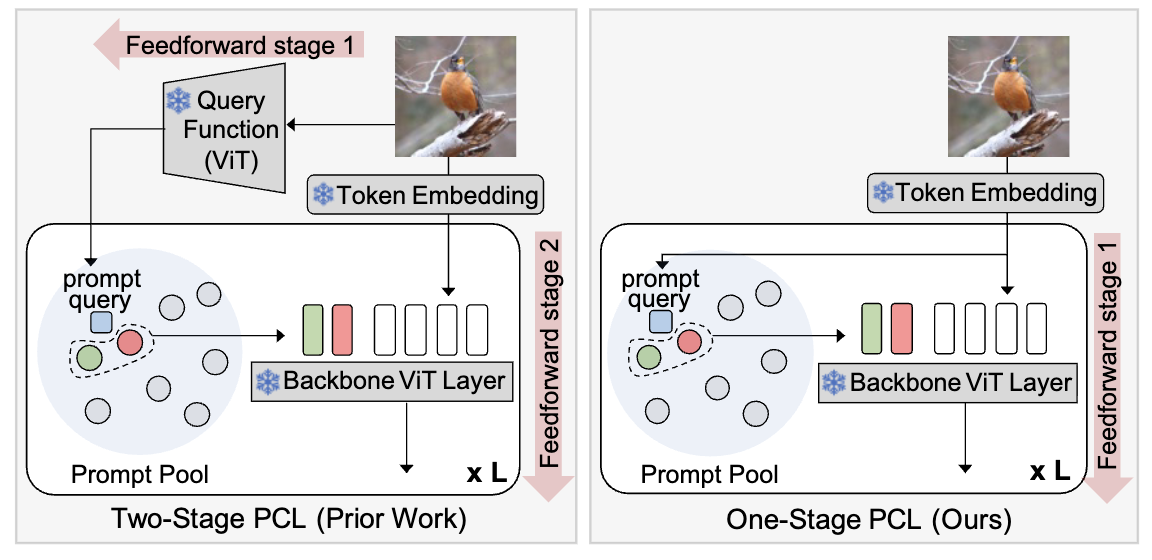 Fig. 1
One-stage Prompt-based Continual Learning
Fig. 1
One-stage Prompt-based Continual Learning -
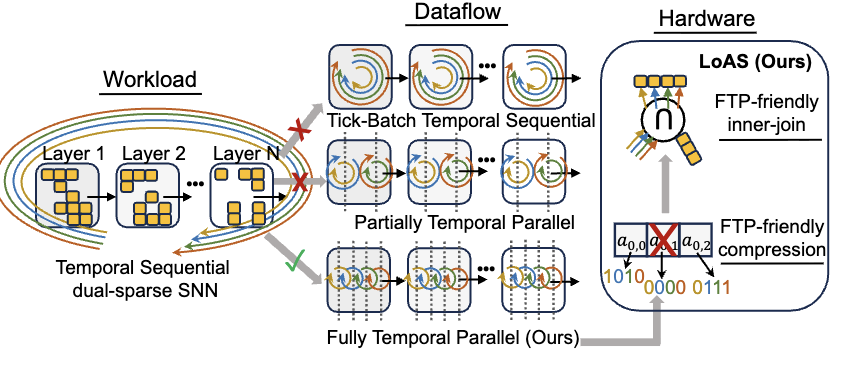 Fig. 1
LoAS: Fully Temporal-Parallel Dataflow for Dual-Sparse Spiking Neural Networks
Fig. 1
LoAS: Fully Temporal-Parallel Dataflow for Dual-Sparse Spiking Neural Networks -
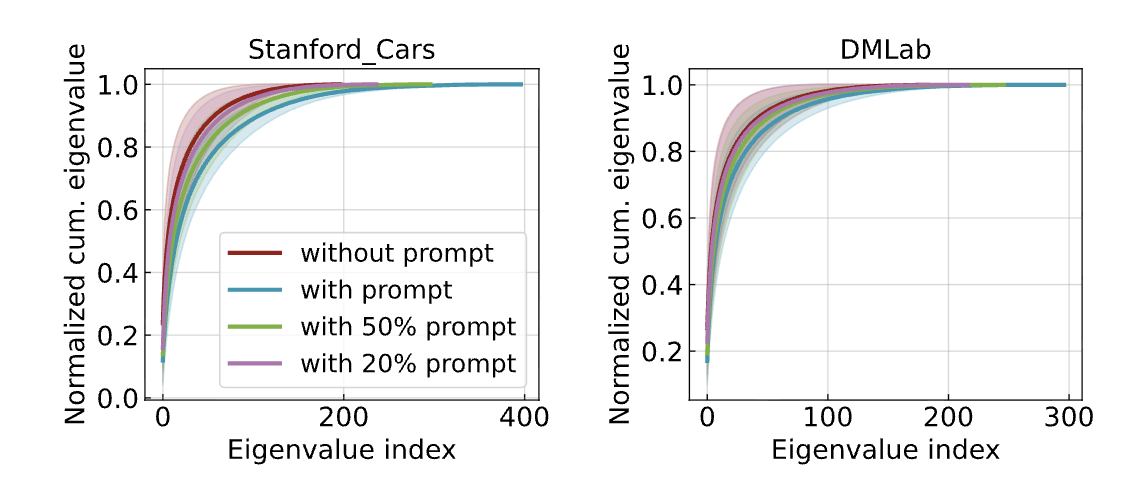 Fig. 1
Do we really need a large number of visual prompts?
Fig. 1
Do we really need a large number of visual prompts? -
Fig. 1
When in-memory computing meets spiking neural networks — A perspective on device-circuit-system-and-algorithm co-design
-
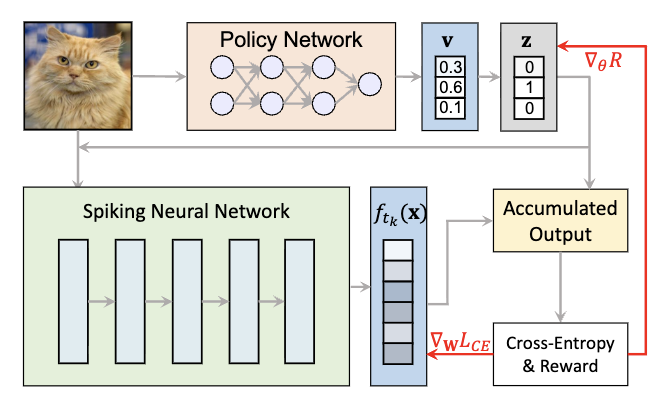 Fig. 1
SEENN: Towards Temporal Spiking Early-Exit Neural Networks
Fig. 1
SEENN: Towards Temporal Spiking Early-Exit Neural Networks -
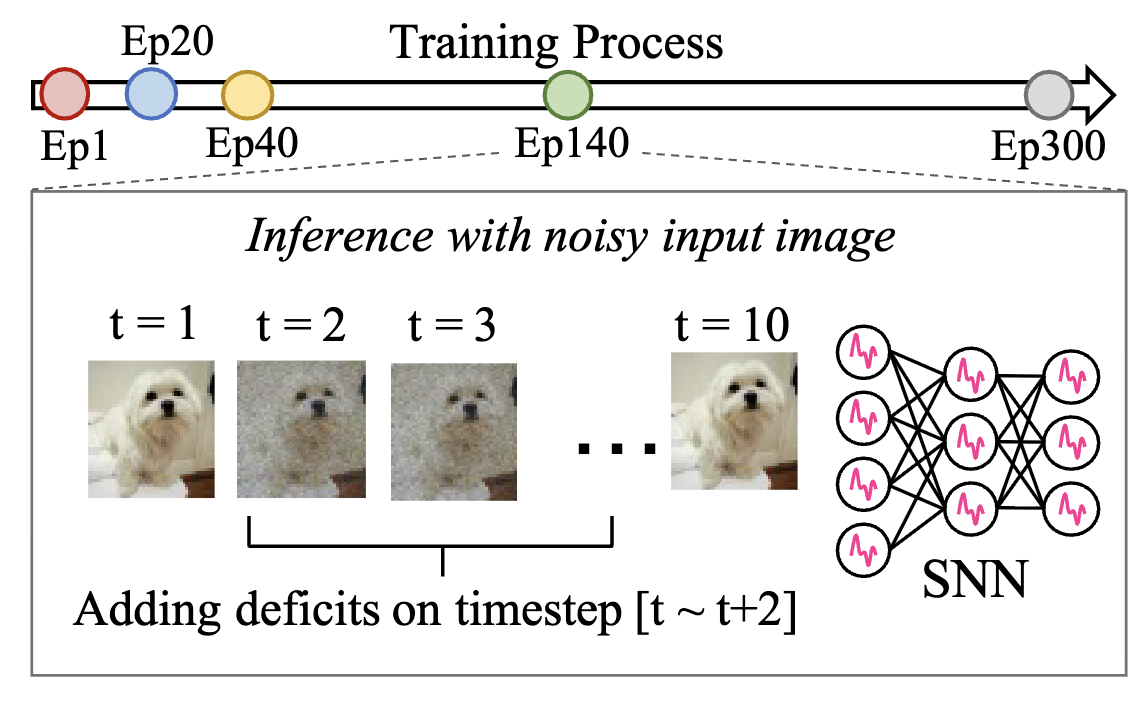 Fig. 1
Exploring Temporal Information Dynamics in Spiking Neural Networks
Fig. 1
Exploring Temporal Information Dynamics in Spiking Neural Networks
-
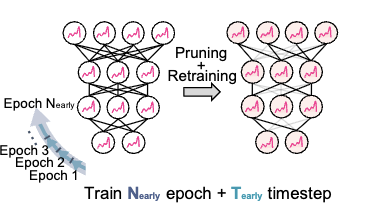 Fig. 1
Exploring Lottery Ticket Hypothesis in Spiking Neural Networks
Fig. 1
Exploring Lottery Ticket Hypothesis in Spiking Neural Networks -
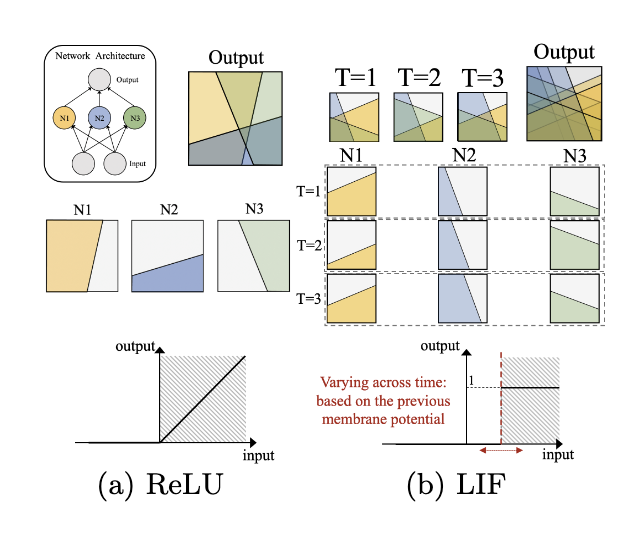 Fig. 1
Neural architecture search for spiking neural networks
Fig. 1
Neural architecture search for spiking neural networks -
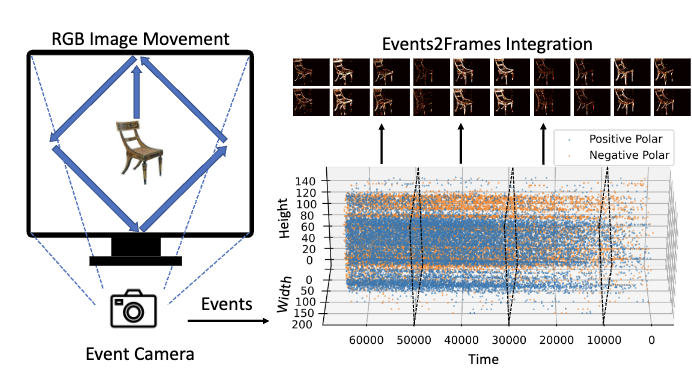 Fig. 1
Neuromorphic Data Augmentation for Training Spiking Neural Networks
Fig. 1
Neuromorphic Data Augmentation for Training Spiking Neural Networks -
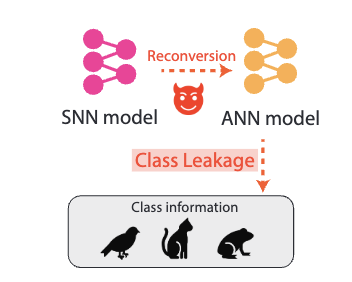 Fig. 1
PrivateSNN: privacy-preserving spiking neural networks
Fig. 1
PrivateSNN: privacy-preserving spiking neural networks -
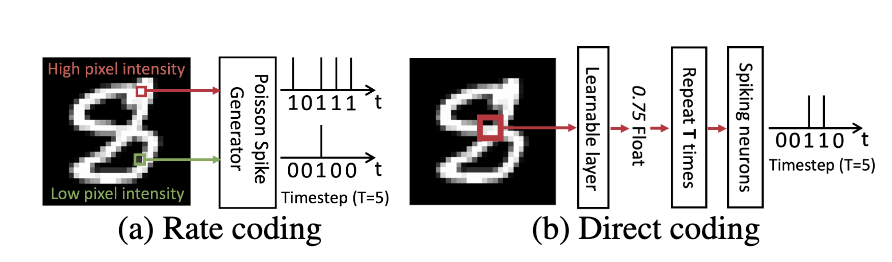 Fig. 1
Rate Coding or Direct Coding: Which One is Better for Accurate, Robust, and Energy-efficient Spiking Neural Networks?
Fig. 1
Rate Coding or Direct Coding: Which One is Better for Accurate, Robust, and Energy-efficient Spiking Neural Networks?
-
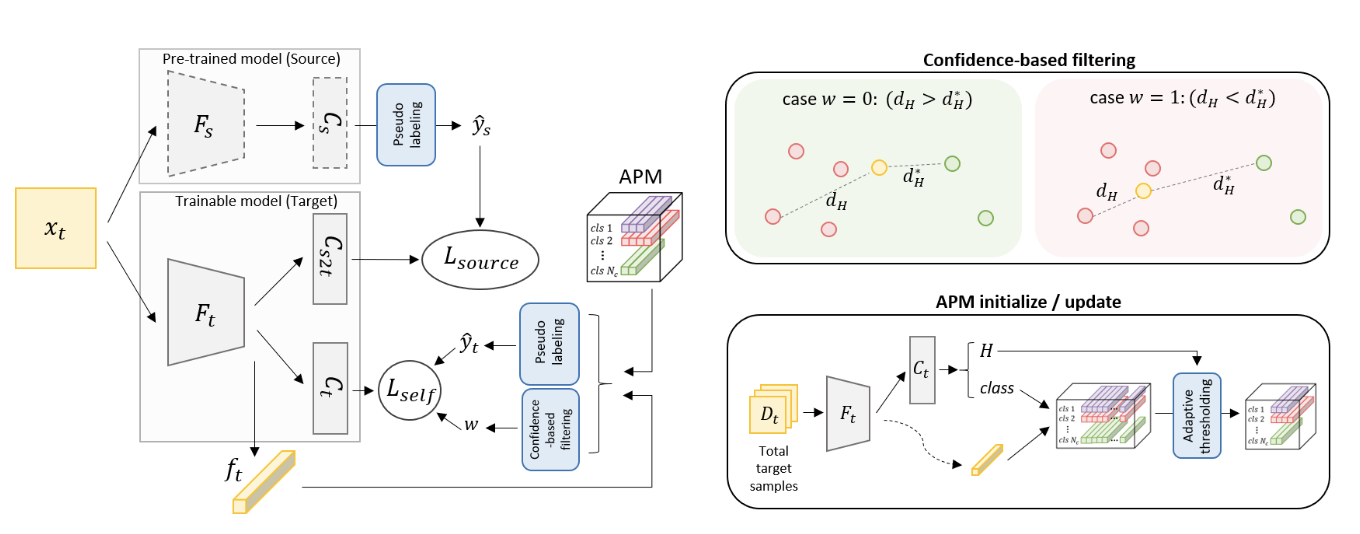 Fig. 1
Domain adaptation without source data
Fig. 1
Domain adaptation without source data -
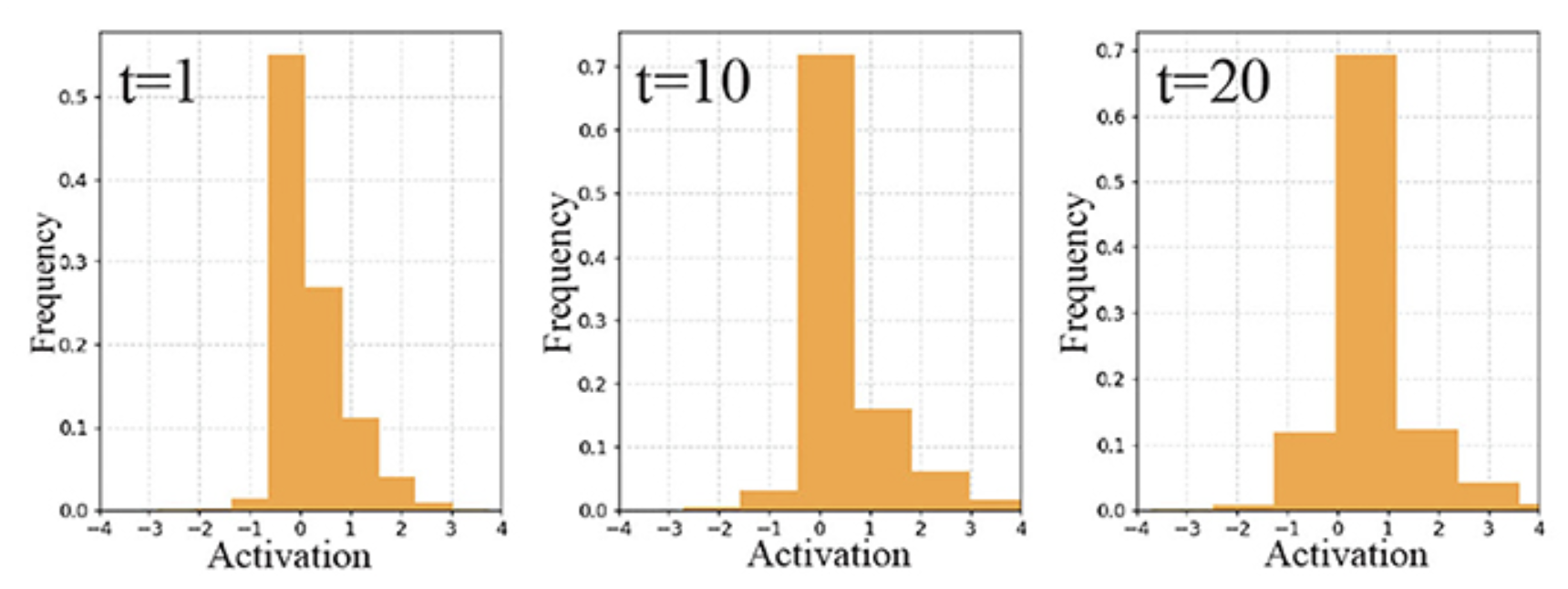 Fig. 1
Revisiting batch normalization for training low-latency deep spiking neural networks from scratch
Fig. 1
Revisiting batch normalization for training low-latency deep spiking neural networks from scratch
-
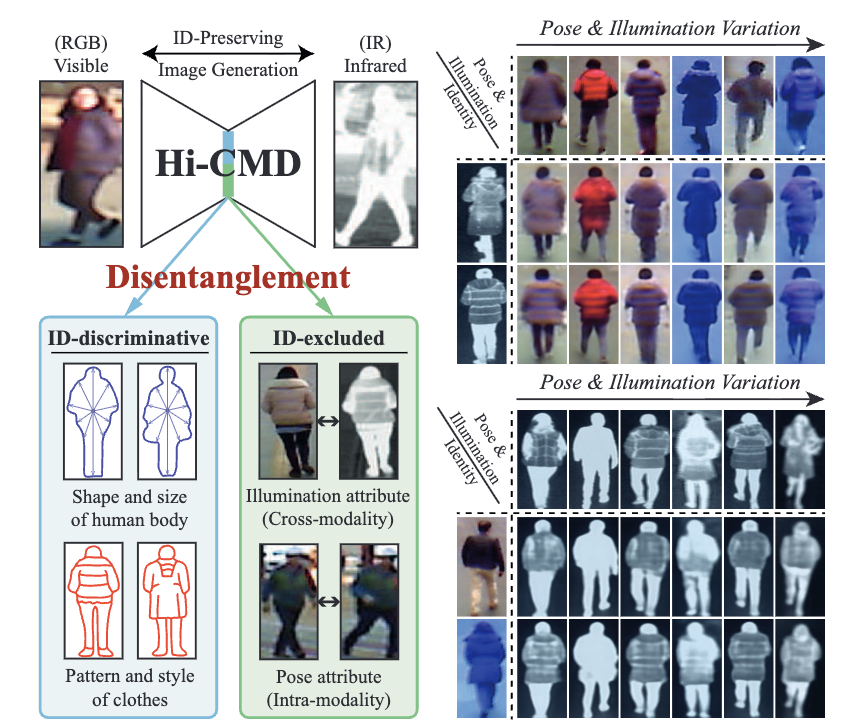 Fig. 1
Hi-CMD: Hierarchical cross-modality disentanglement for visible-infrared person re-identification
Fig. 1
Hi-CMD: Hierarchical cross-modality disentanglement for visible-infrared person re-identification
Contact
For collaborations, talks, or project inquiries, please reach out via the links below.